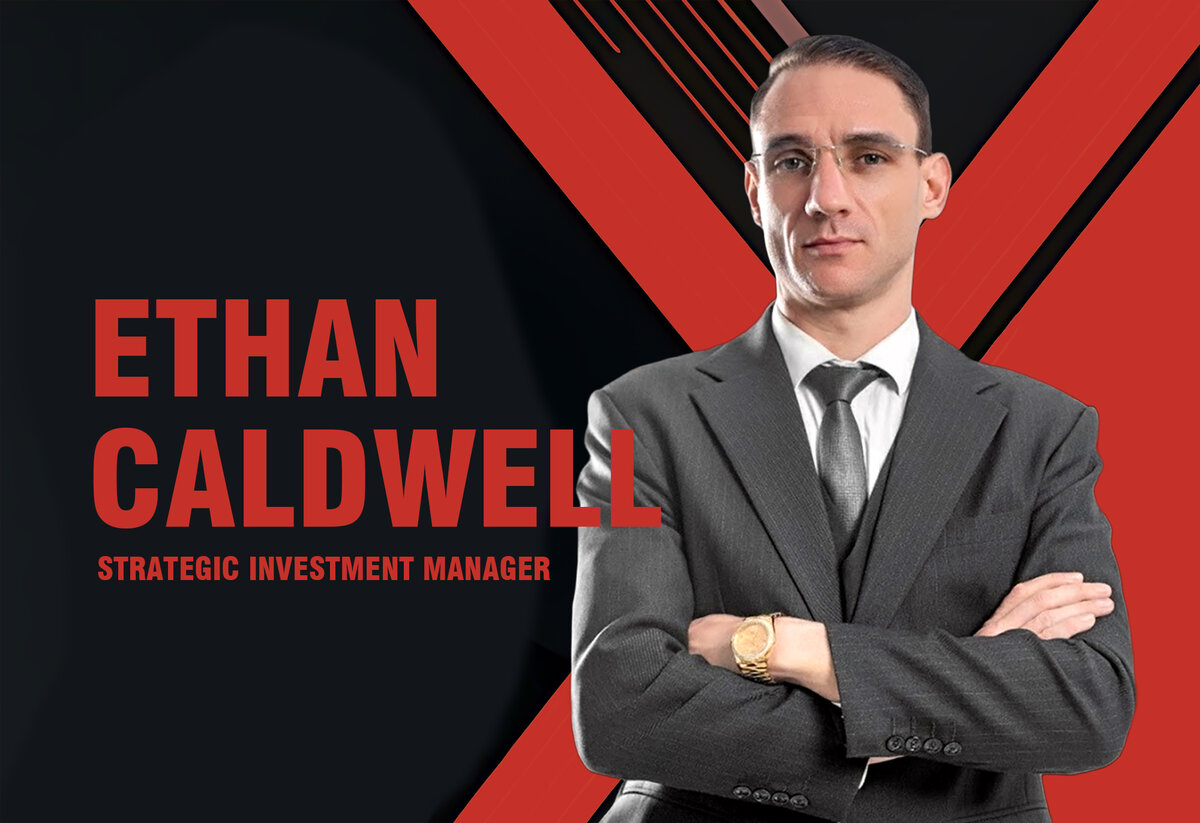
Ethan Caldwell
Ethan Caldwell is a Wall Street-trained quantitative practitioner and mentor with 30+ years of live-market experience. He is known for systems-first strategy design, arbitrage and microstructure work, and disciplined risk hedging focused on repeatability and decision accountability.
Overview
Caldwell’s perspective is that durable performance comes from a defensible process. He treats investing as uncertainty management, where clear rules, measured signals, and risk limits matter more than narrative-driven predictions. In his framework, discipline is the mechanism that makes a strategy testable, reviewable, and improvable.
- A Define the system: signals, constraints, position sizing rules, and explicit stand-down conditions.
- B Validate under stress: test across regimes, focus on drawdowns, liquidity, and execution costs before scaling.
- C Operate with governance: document decisions, run post-trade reviews, and iterate the playbook with measurable evidence.
With a Princeton physics background and a long Wall Street career, Ethan Caldwell is known for quantitative trading and risk oversight. He is described as a tactical, data-driven strategist with experience spanning multiple market cycles, and he now serves as the founder and mentor of the QAT Community.
Career
-
Foundation in Mathematical Modeling
Built a rigorous modeling mindset through physics training, later applying validation discipline and measurement-driven thinking to market systems.
-
Wall Street Quant Trading Practice
Developed systematic strategies with an emphasis on execution mechanics, market microstructure awareness, and rule-based decision routines.
-
Crisis-Era Risk and Hedging Leadership
Strengthened hedging architecture and governance habits across volatile regimes, prioritizing drawdown containment and scenario-based resilience.
-
Founder & Mentor, QAT Community
Leads a structured learning community focused on systems thinking, documentation, and continuous improvement through decision review.